
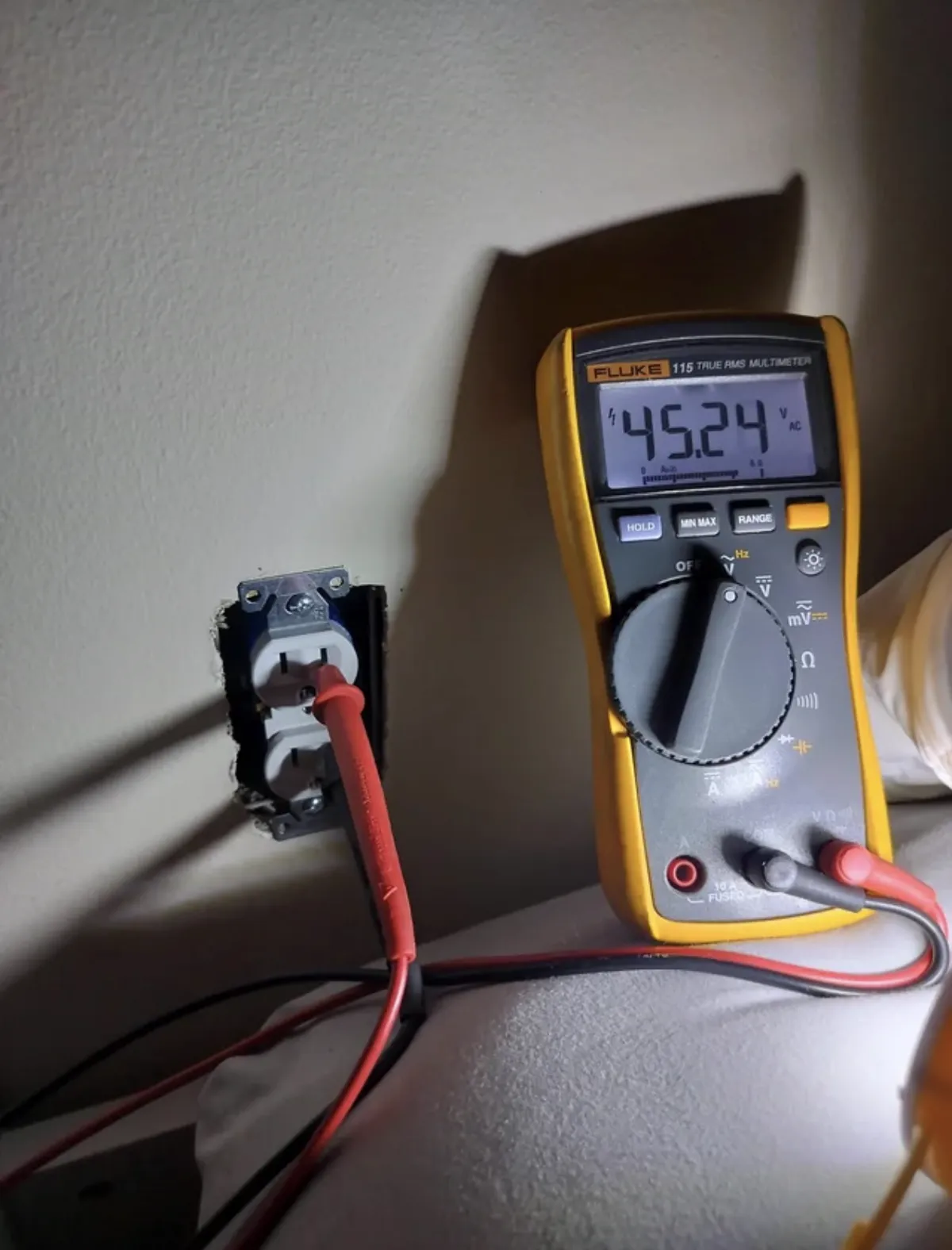
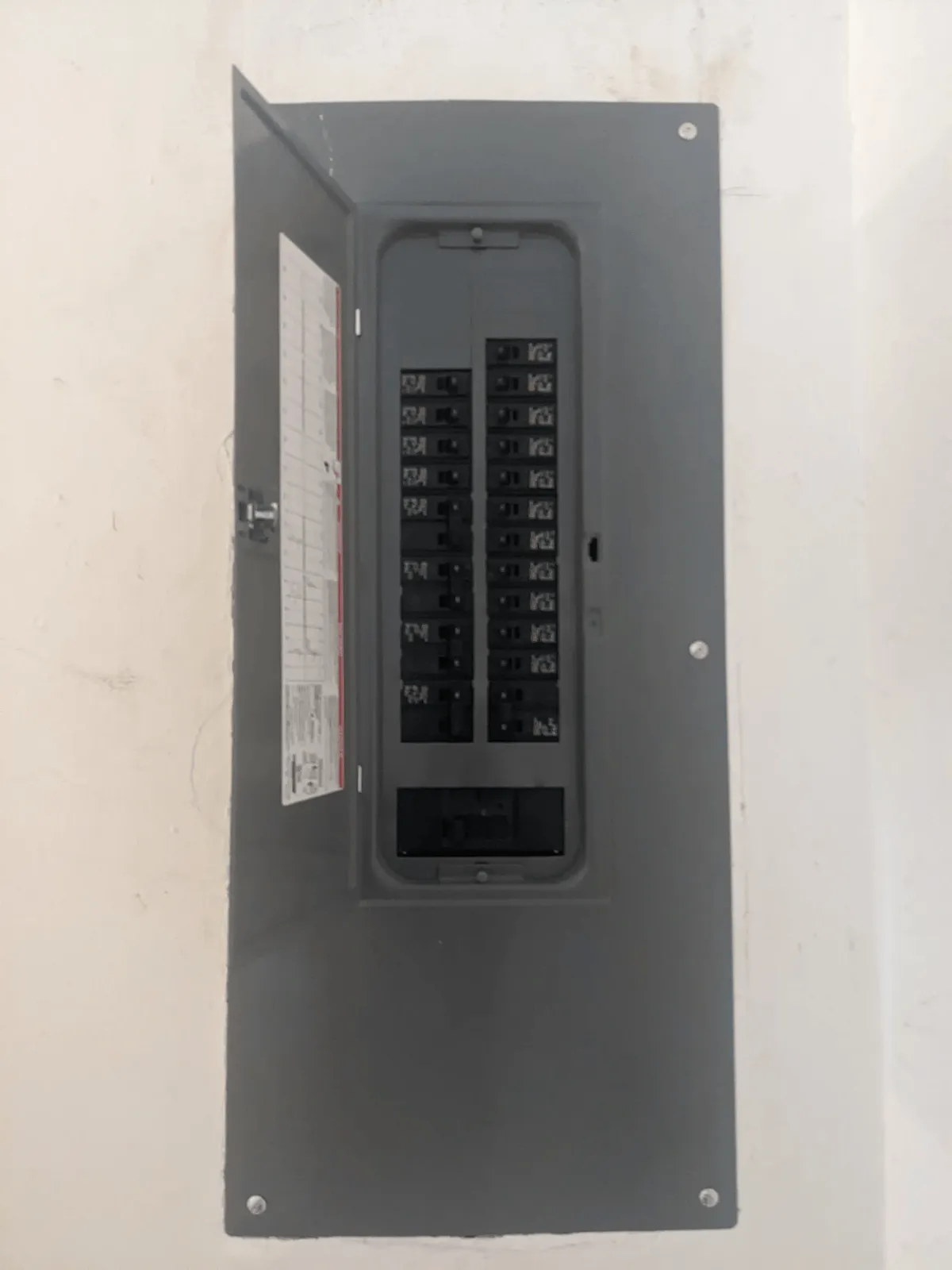
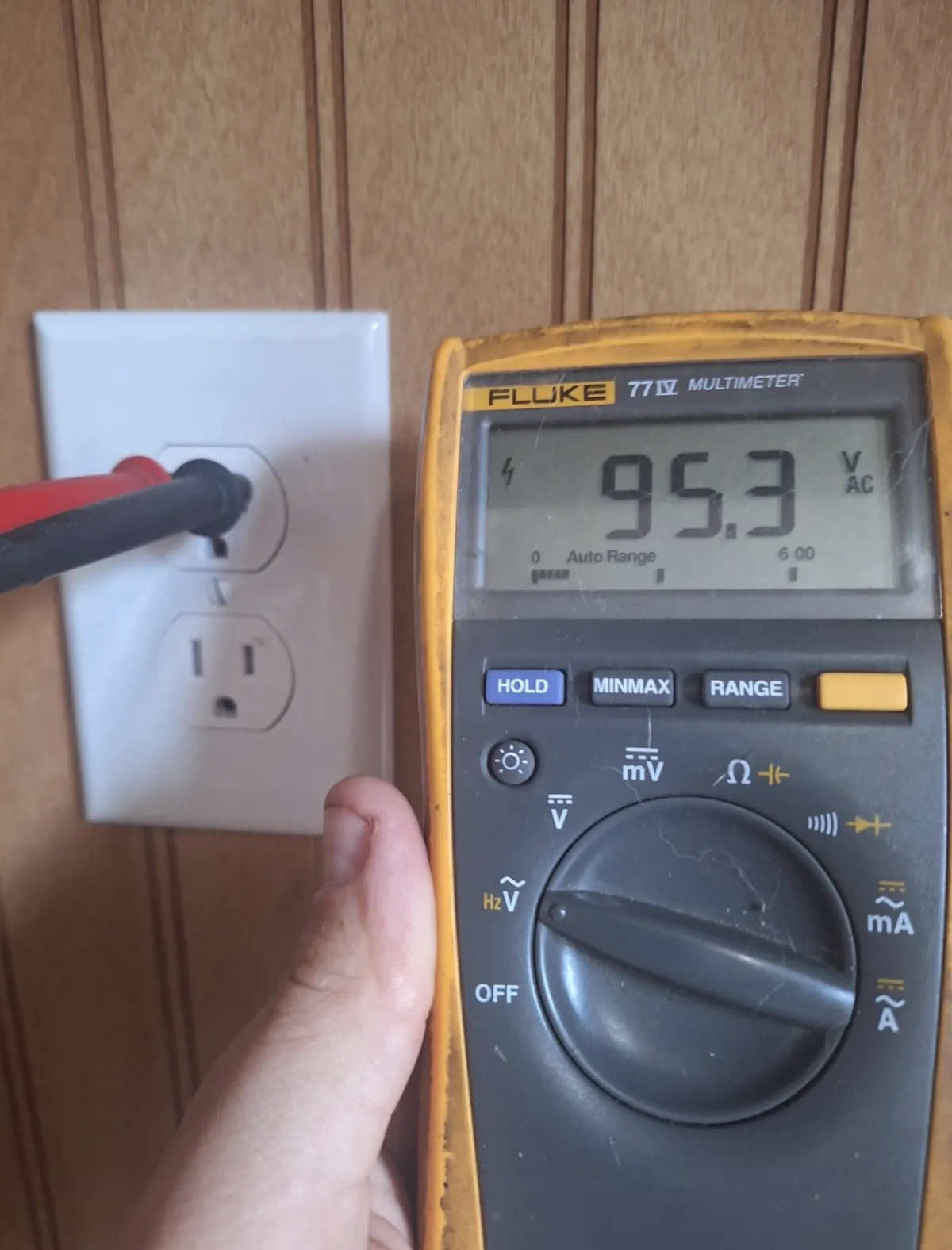
We check the panel, breakers and service equipment, look at visible wiring, test a sample of outlets and GFCIs, and note anything that is overloaded, damaged or improperly installed. You get a plain-language summary of what we found and which items should be dealt with first.
Landlords and property managers use inspections to keep rental units in good shape between tenants, and business owners use them before taking over a commercial unit.
When an inspection is useful
- Buying or selling a home
- Before a renovation or addition
- Rental units between tenants
- Taking over a commercial unit
- Ongoing breaker trips or electrical concerns
What we commonly flag
- Overloaded or double-tapped breakers
- Missing GFCI protection in wet areas
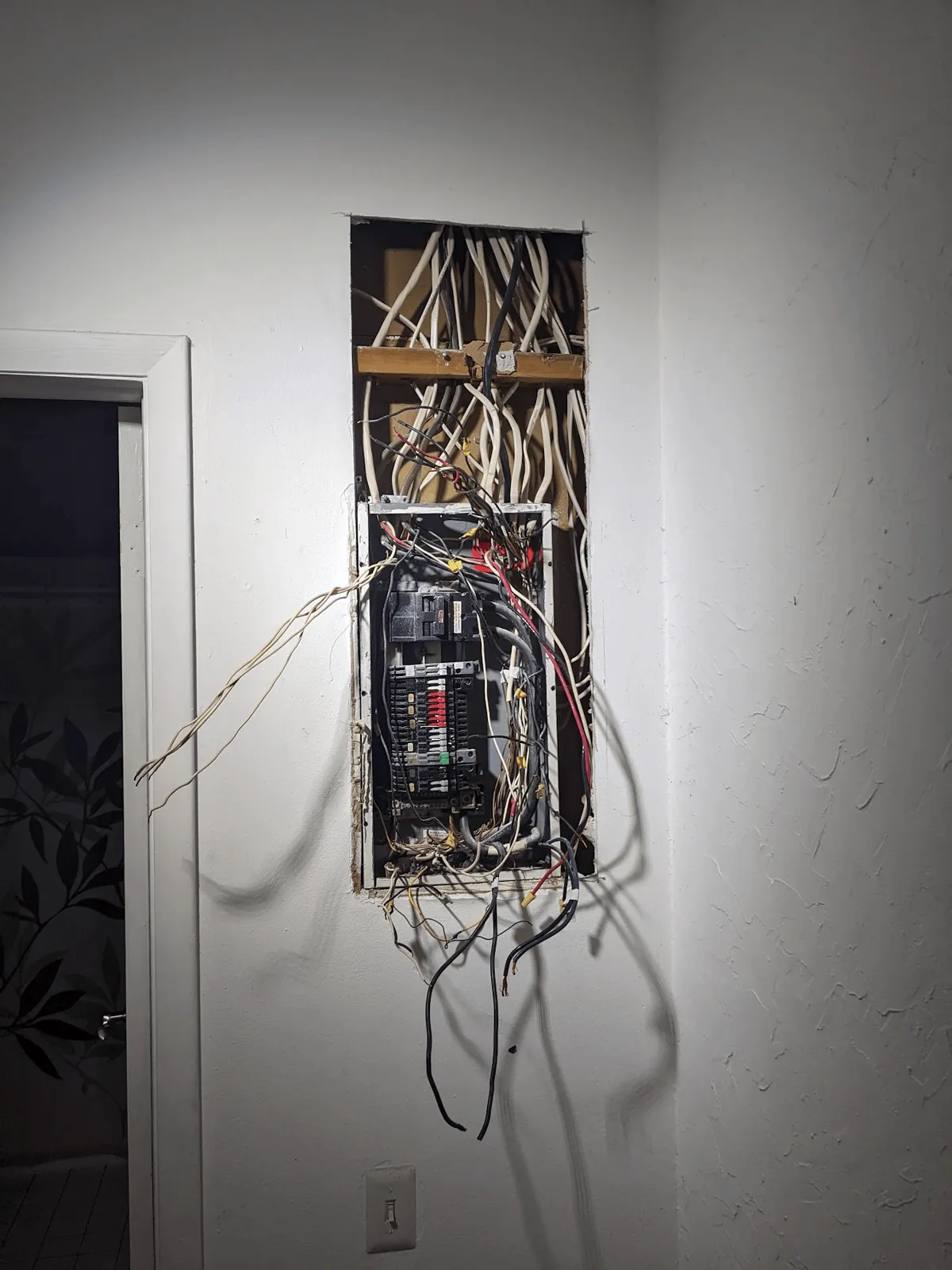
- DIY wiring and open junction boxes
- Aging panels and worn devices
- Overheating signs at outlets or connections
What the inspection covers
- 1
We review your concerns and the age and history of the property.
- 2
The panel and service equipment are checked.
- 3
Accessible wiring, outlets, switches and GFCIs are inspected and tested.
- 4
Findings are summarized and prioritized.
- 5
We explain repair options if you want to address any items.
Frequently Asked Questions
How long does an inspection take?
Most home inspections take a couple of hours depending on the size of the property and what we find.
Will I get a written summary?
Yes. You'll get a clear list of findings in priority order so you can decide what to handle now and what can wait.
Is this the same as an ESA inspection?
No. This is a private assessment of the condition of your electrical system. ESA inspections relate to permitted work and are arranged separately.